
Baroque Ornamentation
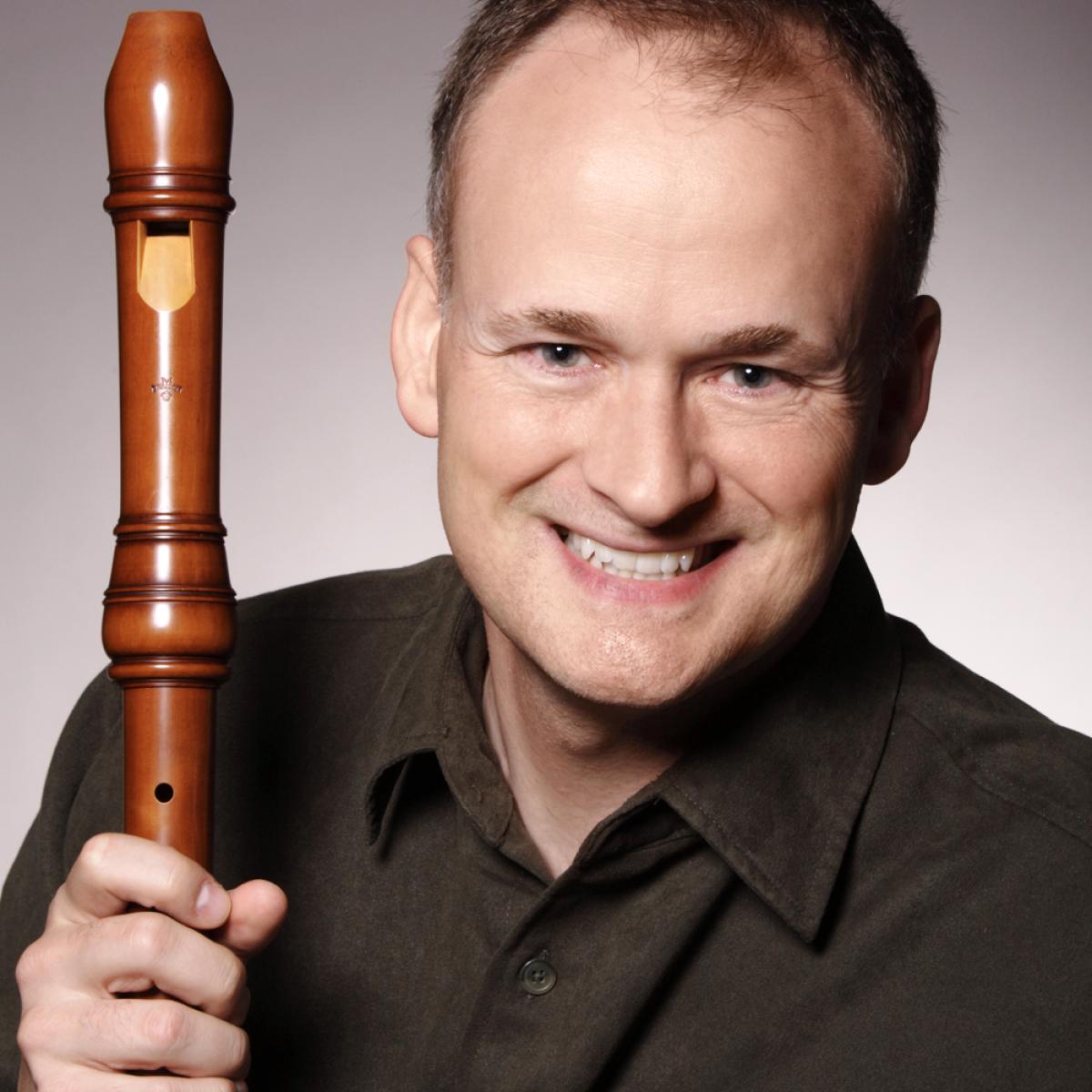
Hailed as “distinguished” by the Chicago Tribune, and “a combination of steel and velvet” by the Chicago Sun Times, Patrick O’Malley has performed across the US and Europe. He is on the faculty of the Music Institute of Chicago and the Suzuki Music School of Lincoln Park. He runs a private studio and teaches remote students via video conference at www.PatrickRecorder.com.
Patrick earned a Master of Music degree in recorder from Indiana University, studying with Eva Legêne. Under a Netherlands Fulbright Fellowship, he studied with Han Tol at the Rotterdam Conservatory. With Lisette Kielson he has recorded and produced a double-disc CD, Telemann: Canons and Duos. Patrick has served as board member of the American Recorder Teachers Association. His article, “Applying Rhetoric and Preluding to Recorder Education,” was published in The Recorder Education Journal.
MM, Indiana University
Fulbright Scholarship Certificate, Rotterdam Conservatory, the Netherlands
Additional studies in Baroque dance, harpsichord, basso continuo, Renaissance flute, shawm, viola, French horn
Recordings:
Double cd "Telemann: Canons & Duos" with Lisette Kielson.
Brandenburg Concerto #4 with Music of the Baroque.
Music should be accessible to everyone. Any age, any level of experience, and ambition.
The recorder is my favorite instrument, with its beguiling tone, beautiful repertoire, and openness to players of any age, size, or financial means. The whole family can play!
Suzuki Association of the Americas
American Recorder Society
Early Music America
Featured performer with Lyric Opera, Music of the Baroque, Haymarket Opera, Rembrandt Chamber Players, and many early music and chamber groups.
Founding member of Chicago Recorder Trio
Chicago has the exciting cultural diversity of a big city, plus the friendliness of the Midwest. I love living near Lake Michigan.
Favorite composer: Georg Phillip Telemann. Incredibly prolific, and each piece is a gem. My favorite musical form is Theme and Variations. It holds the key to our ability to make a better world. An eternal challenge to look at situations in new ways.
In architecture school I learned that design “problems” have “solutions.” Just when you think you’ve composed the last possible variation, your mind shifts and discovers yet another way. That’s beautiful and hopeful.