Give Your Child a Smart Start!

Your baby, toddler, or preschooler deserves the lifelong learning advantages of the RCM Smart Start™ Program at MIC.
Inquire Now and find a class near you!
accelerate YOUR CHILD'S COGNITIVE DEVELOPMENT THROUGH MUSIC
The first years of life are a remarkable time for brain development. During these early years, children build the foundational skills that will support learning, communication, self-regulation, and academic success for years to come.
We are so excited to bring Smart Start to our MIC Community! Smart Start is an internationally recognized, research-based early childhood music curriculum, developed at the Royal Conservatory of Music, that accelerates the development of four primary cognitive skills:
ATTENTION • MEMORY • PERCEPTION • COGNITIVE FLEXIBILITY
In addition to creating joyful experiences for children and their care providers, beginning music in the earliest years lays a strong foundation for cognitive, social, and emotional development.
MIC will be the exclusive provider of rcm Smart Start in Chicagoland, beginning in Fall 2026.
Classes will be offered at our Evanston, Winnetka, and Lake Forest campuses. Classes are intimate in size and are expected to fill quickly.
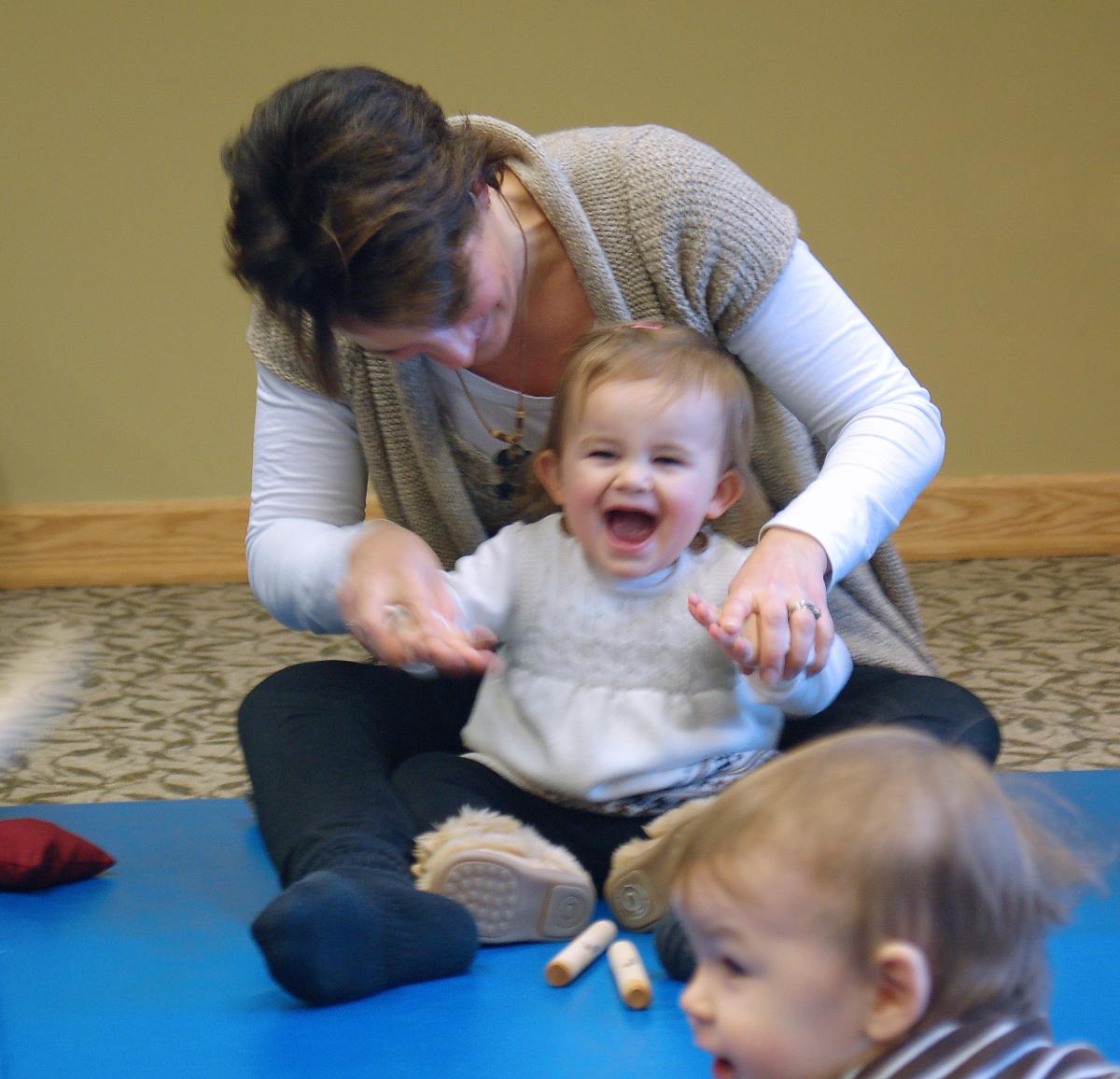
SMART START™
0-12 months
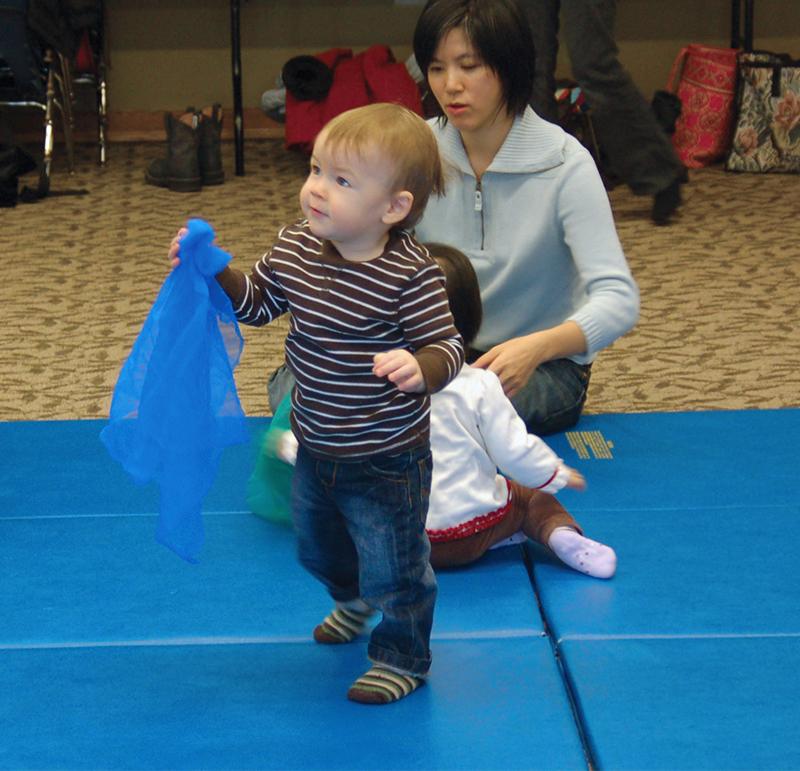
SMART START™
12-24 months
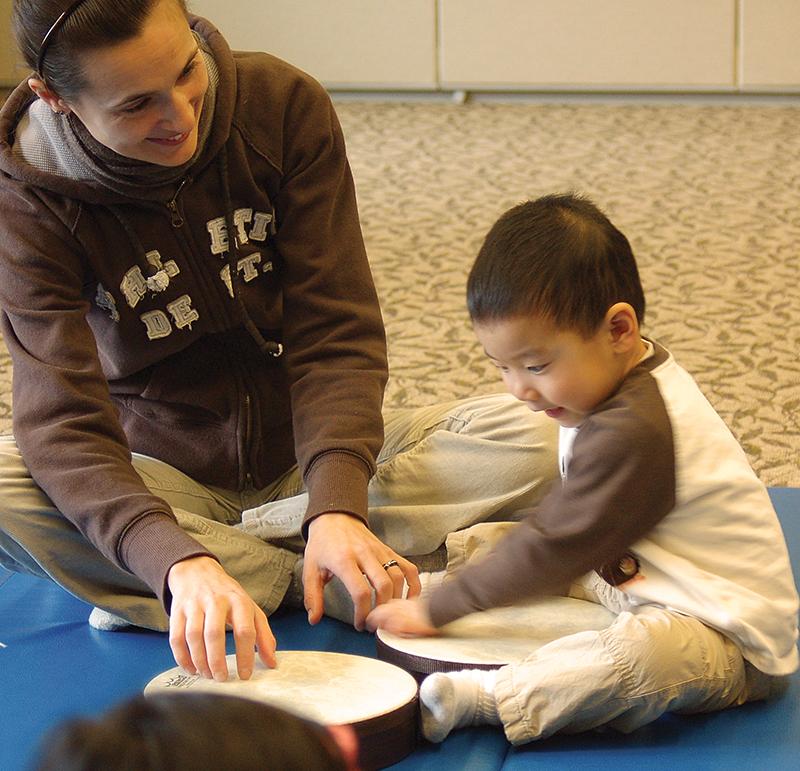
SMART START™
Toddlers - age 2
Enjoy rhythms and rhymes, learn some new lullabies, and have fun with your little one!
Toddlers are almost always on the move! Channel your child's natural energy through music and movement learning.
Register Now!
Confident, active kids become confident, active adults! Set your child on the right path by engaging them in music and movement based play.
Register Now!
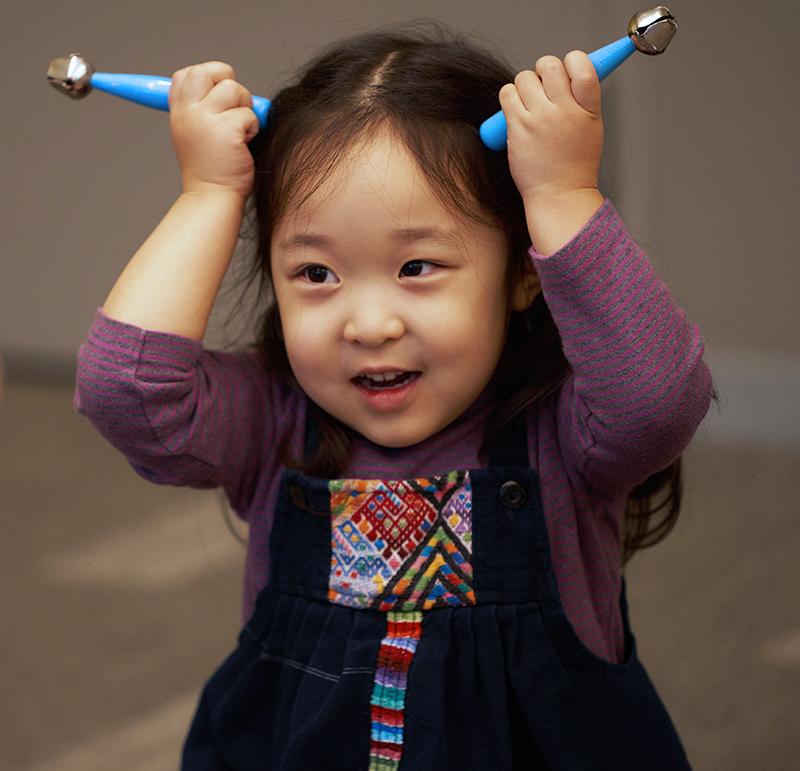
SMART START™
Toddlers - age 3
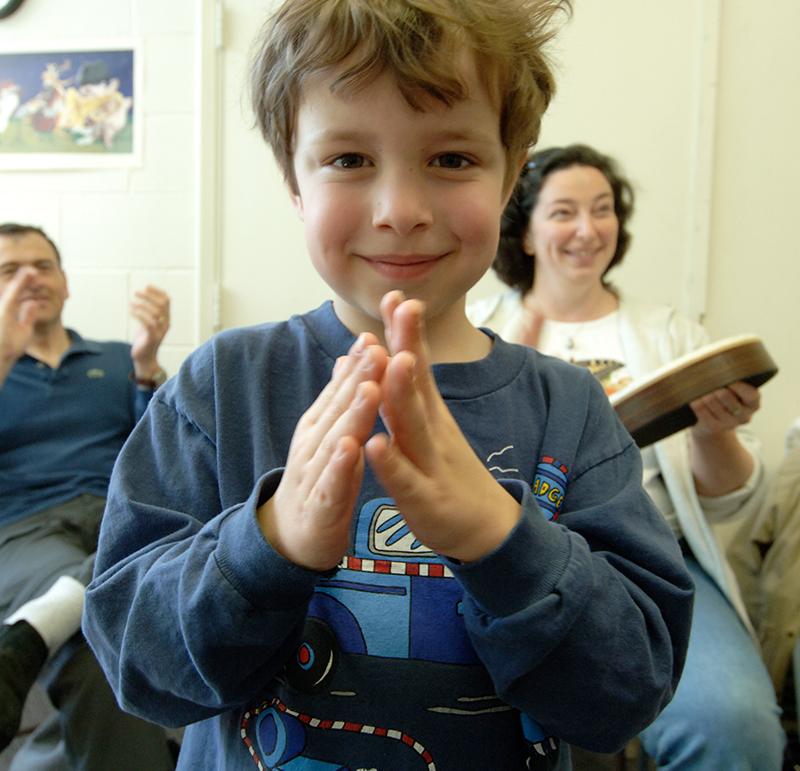
SMART START™
Age 4
Singing, dancing, playing games - children adore this active, play-based learning environment. In this class, children learn foundational musical skills such as tempo, meter, pitch, and dynamics.
Register Now!
The teaching techniques employed in this course are designed to support children's socialization, fine motor skills, and self-confidence through instruction in fundamental musical concepts.
Register Now!
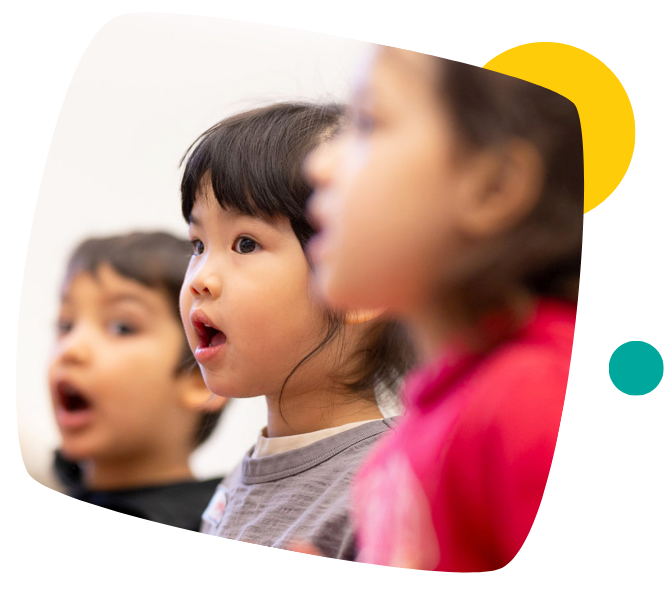
Why Parents Choose RCM Smart Start Music Classes
Parents enroll in RCM Smart Start because it helps their children:
✓ Develop focus and attention
✓ Build language and early literacy foundations
✓ Strengthen memory and listening skills
✓ Improve coordination and motor development
✓ Grow confidence and self-expression
✓ Learn the building blocks of music through joyful, age-appropriate musical play with research-proven benefits
✓ Begin their comprehensive music education journey
These are the same foundational skills children use later for reading, learning, problem-solving, and success in school.
The program was created by experts in early childhood education and neuroscience and targets core components of early literacy and school readiness in weekly age-specific classes through 1,000+ fun activities that incorporate movement, instruments, play, and diverse music from around the world. Based on a four-year longitudinal study at RCM, children in Smart Start classes experience improved letter/number naming, vocabulary, and musical abilities, including a 33% reduction in singing errors.
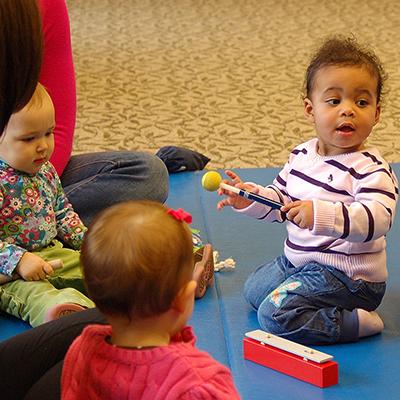
Where Music Meets Developmental Science
Created by experts in early childhood education and neuroscience, Smart Start™ supports the development of:
- Emotional regulation
- Focus, attention and memory
- Confidence and self-expression
- Cognitive and fine motor skills
- Language and social interaction
Through interactive movement and group play, children build essential skills that help them thrive – in and beyond the classroom.
Built-In Literacy Development
Smart Start integrates the core components of early literacy into every class. Through play-based activities and group engagement, children are naturally introduced to the five foundational pillars of reading:
- Phonemic Awareness
– Recognizing and playing with individual sounds - Phonics
– Understanding sound-letter relationships - Fluency
– Reading with speed, accuracy, and expression - Vocabulary
– Expanding language through songs and stories - Comprehension
– Making meaning through listening and engagement
Smart Start™ FAQs
What is Smart Start™?
Parents have an exceptional opportunity to nurture critical cognitive skills in their babies, toddlers, and preschool children through a new offering at the Music Institute of Chicago: the Smart Start early childhood program, developed at the Royal Conservatory of Music.
Smart Start is available for infants and children through age 5 in the Chicago area exclusively through MIC at its Evanston, Lake Forest, and Winnetka campuses beginning in fall 2026.
The program targets core components of early childhood literacy and school readiness in weekly age-specific classes through 1000+ fun activities that incorporate movement, instruments, play, and diverse music from around the world.
Smart Start will be the first step on MIC’s comprehensive program pathway, nurturing a love of music while also preparing babies and children for future instrumental instruction.
Developed by experts in early childhood (Catherine West) and neuroscience (Sean Hutchins) at the Royal Conservatory of Music in Toronto.
Smart Start includes:
• 1000+ developmentally appropriate activities (that target the four primary cognitive skills at each developmental stage/milestone)
• 250+ lesson plans
• 38 weeks of lessons (15 weeks in fall, 15 weeks in spring, 8 weeks in summer)
• Weekly lessons for infants through children age 5
• Classes are 45-minutes in length and are designed to be intimate in size
• 5,000 children have been enrolled in Smart Start at RCM’s Toronto campus over 10 years
What are cognitive skills?
Cognitive skills are the mental abilities children use to learn, think, remember, pay attention, solve problems, and understand the world around them. These foundational skills help children develop language, learn to read and do math, follow directions, adapt to new situations, and interact successfully with others.
Smart Start is designed to strengthen four key cognitive skills - attention, memory, perception, and cognitive flexibility -through joyful music-making with a care provider. Research conducted by the Royal Conservatory of Music has shown that children in Smart Start also demonstrate improvements in vocabulary, letter and number naming, and musical development.
How is the Smart Start™ Curriculum different from other Early Childhood Music Education Programs?
RCM Smart Start is more than a music class! It's a research-based early childhood program designed to support your child's cognitive, musical, and overall development during the years when the brain is growing most rapidly.
RCM Smart Start:
- Is backed by research from the Royal Conservatory of Music, demonstrating measurable improvements in children's vocabulary, letter and number naming, and musical development.
- Uses a curriculum specifically designed for each stage of early childhood, so activities are developmentally appropriate for every age.
- Was developed by experts in early childhood music education and neuroscience.
- Incorporates movement, instruments, play, and music from around the world to engage children in multiple ways and maximize learning.
- For babies through age 3, includes a 1:1 care provider-to-child ratio, allowing each care provider to be fully engaged with one child throughout every class.
Through joyful, age-appropriate musical experiences shared with a care provider, Smart Start helps children build the foundational cognitive skills, including attention, memory, perception, and cognitive flexibility, that support learning both in school and throughout life.
Will my child learn to play an instrument in Smart Start™ class?
RCM Smart Start is not an instrument-specific class. Instead, it introduces young children to the building blocks of music through singing, movement, play, and exploration with a variety of percussion and Orff instruments.
Children develop rhythm, listening skills, fine motor control, creativity, and musical understanding while building the cognitive skills that support future learning. When they're ready to begin private lessons on an instrument, they'll already have a strong musical foundation to build upon.
Will my child learn to read music in Smart Start™ class?
Smart Start introduces age-appropriate music reading concepts through games, songs, movement, and play-based learning. Children develop the foundations of musical literacy in fun, engaging ways that prepare them for future music study.
How does research factor in to Smart Start™?
Research is at the heart of Smart Start. The curriculum was developed by the Royal Conservatory of Music in collaboration with experts in neuroscience and early childhood music education and is continually refined based on the latest research on how young children learn and develop.
Since 2016, the Royal Conservatory of Music has conducted ongoing research to evaluate the impact of Smart Start. Longitudinal studies have found that children participating in Smart Start demonstrate measurable improvements in areas including:
- Vocabulary
- Letter and number naming
- Musical abilities
- Attention, memory, perception, and cognitive flexibility
The curriculum is also unique because it is designed specifically for each stage of early childhood development rather than grouping children across broad age ranges. This allows every activity to be tailored to how children learn at that age.
For babies through age 3, Smart Start also includes a 1:1 care provider-to-child ratio, creating opportunities for meaningful interaction and engagement throughout each class.
Research at the Royal Conservatory of Music is ongoing, including a 10-year study to better understand the long-term benefits of early music education. This commitment to continuous research means Smart Start continues to evolve as new discoveries are made about children's learning and development.
What happens in a Smart Start class?
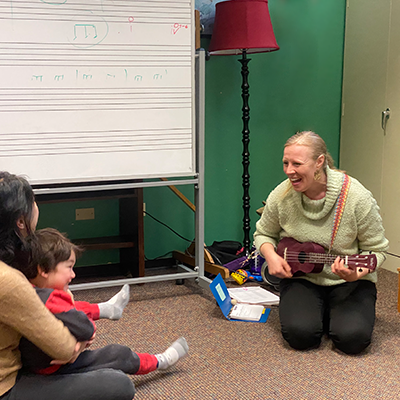
Every Smart Start class is an active, joyful experience where children and their care providers sing, move, play instruments, listen to stories, explore rhythm, and participate in games and activities together.
Each class is thoughtfully designed for a specific stage of early childhood development, with activities that encourage curiosity, creativity, confidence, and connection. Along the way, children build foundational cognitive and musical skills that support future learning, all while having fun.
The result is a warm, welcoming environment where children love to learn, care providers enjoy participating alongside them, and music becomes a joyful part of everyday life.