Adult Music Lessons: Faculty Tips for Practice, Performance, and Growth
October 14th, 2026
Learning music as an adult looks different for everyone. Some are making time for an instrument they've always wanted to play, while others are returning to music or looking for new ways to challenge themselves.
At the Music Institute of Chicago, our faculty work with adult music students at every stage of their musical journey. We asked them to share tips for effective practice, performing with confidence, and continuing to grow as an adult musician.
Overcoming Practice Challenges for Adults
Adult musicians may have limited time at the instrument or feel discouraged when they can't meet their practice goals. Small changes to how you approach practice can help you make better use of the time you have.
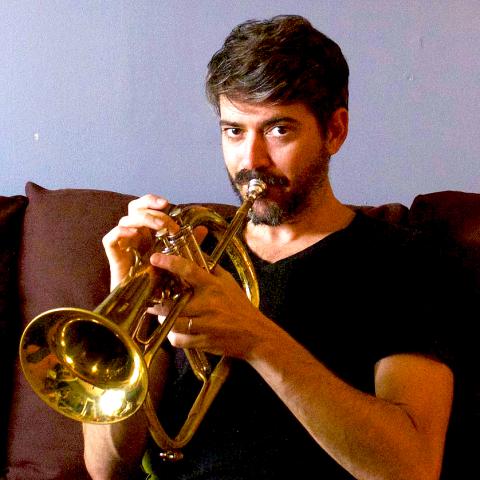
“Making time for practice can be one challenge for adult students. I like to remind students that really any amount of focused time is better than none,“ says Trumpet Faculty James Davis. "When strapped for time, think of one tiny goal that can be achieved in a 5-10 mini practice session. Maybe it’s not ideal, but there can still be some enjoyment and a little progress with a bit of time with no distractions. Another strategy within or apart from mini practice sessions is to use some concentrated visualization to really hone in on your intent for each repetition or passage.”
“Adult students tend to follow an 'all or nothing' approach in practicing. Intending to devote an 'one or two hour(s) per day' to practicing their instrument, they get disappointed when they can't and feel discouraged. I recommend they take advantage of small breaks in their day, for micro-practice sessions, short intervals of very focused practice time,” says Piano Faculty Devvora Papatheodorou Schreier. “Some weeks will be better than others and we get a lot of practicing done, but adult life will always be busy and we have to work around that. Frequent contact with your instrument is important.”
How Adult Musicians Can Overcome Performance Anxiety
Performance anxiety can happen to anyone at any age or level, even professionals! The nerves may feel different for an adult musician due to prior expectations. “Adults have a lifetime of experience seeing people's reactions to others' actions, behavior, excellence in their career - so they tend to be overly concerned with accuracy in a performance,” says Harp Faculty Phyllis Adams.
“Nerves can be a challenge for many students and even professionals alike! One good way to work on feeling better about performing in front of others is to start small and grow from there," says James. "Try playing something you’re just working on in front of a significant other or some family members. It might even be an exercise or just a short passage from a piece you’re playing - you might be pleasantly surprised by the reaction, and perhaps even some nice questions about the music or even your instrument.”
“I often think that the psychological stakes for adult students are higher than for kids, and that adults place special pressures on themselves, which are felt in performance," adds Musicianship Program Director and Piano Faculty Dr. Matthew Hagle. "Performing is something that becomes more comfortable the more often you do it, for a few reasons. If you play in front of people frequently, you develop a performing persona; once you are comfortable with this extra 'you', it helps get you into the situation immediately. On the way to gaining this experience, prepare and practice with complete observation of everything you are doing, very strict, but then when you perform, think not so much of controlling the action, but of reacting, as an athlete might. I always make sure to breathe right before starting a piece, it’s surprising how easy it is to forget that. The first breath, and the first movement you make, start a chain of physical events that won’t end until the end of the piece.”
Devvora also adds, “I find that it helps to have several studio performances before a student performs for the general public. In my studio adult students start by playing for each other and that gives them a chance to play for a very supportive environment and address performance issues. Sharing each other’s challenges, whether it is memory, performance anxiety, focus during performance, etc and witnessing each other’s progress can be very powerful. If that goes well, then we start reaching out to performances with a bigger/different audience. Frequency of performance helps a lot. And not everybody has to play in public.”
How to Keep Growing as an Adult Musician
As you become more comfortable with your instrument, you may find yourself looking for a new challenge or a different way to engage with music. That might mean playing with others, exploring new repertoire, or developing a deeper understanding of the music you're already playing.
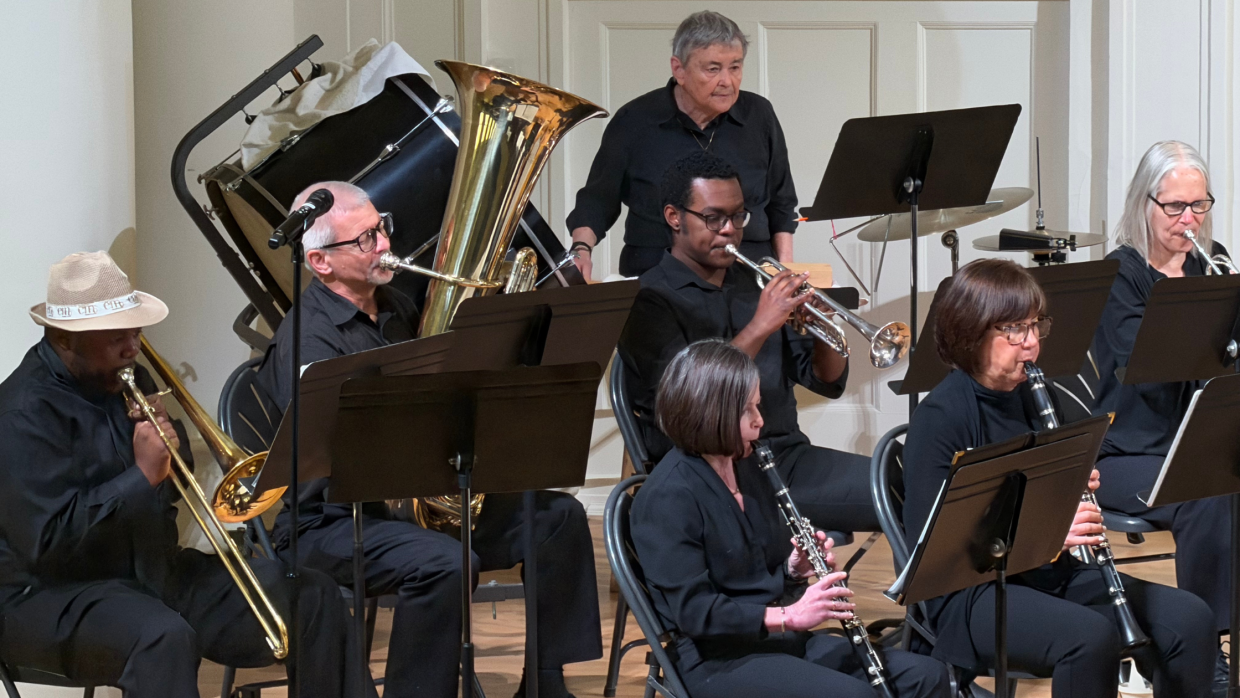
“Playing in an ensemble is a great next step for adult musicians that are ready for some new challenges," says James. "Any collaboration can be a good change of pace. If your instrument isn’t featured in ensembles as much, consider finding a duet partner to explore some new challenging repertoire.”
Devvora agrees that adding chamber music as well as studying composers you haven’t been exposed to so far, attending master classes and recitals, and furthering your music theory and history of music knowledge are also great ways to take your learning further. "I find that a surprising number of instrumentalists do not have a good grasp of musical structure, and harmony and thus become limited in making musical decisions. Oftentimes musical decision-making solves technical issues, as direction, voicing become more obvious," she says.
Join a Community of Adult Musicians
The Adult Studies program at the Music Institute of Chicago has a variety of opportunities for adult musicians to refine their current routines and grow at all stages. From large and small ensembles to flexible private lessons to performance opportunities, and a welcoming community to support you along the way.