The Lasting and Far Reaching Impact of Piano Study
Insights from MIC Piano Department Chair Elaine Felder
May 25th, 2026
Piano study is a lifelong personal investment in oneself that builds focus, resilience, human connection in addition to musical skill development. Whether one studies the piano for professional or avocational goals, the benefits reaped from studying this instrument are immeasurable.
We spoke with Music Institute of Chicago’s Piano Department Chair Elaine Felder to explore her approach to unlocking student potential, the benefits of both early training and adult study, and why chamber music is one of the most powerful experiences a pianist can have.
Understanding and Developing Musical Potential
Before a teacher can help a students to grow, he or she needs to understand how that student thinks, observing carefully not only to just to what a student can play, but also how each student processes, responds and engages.
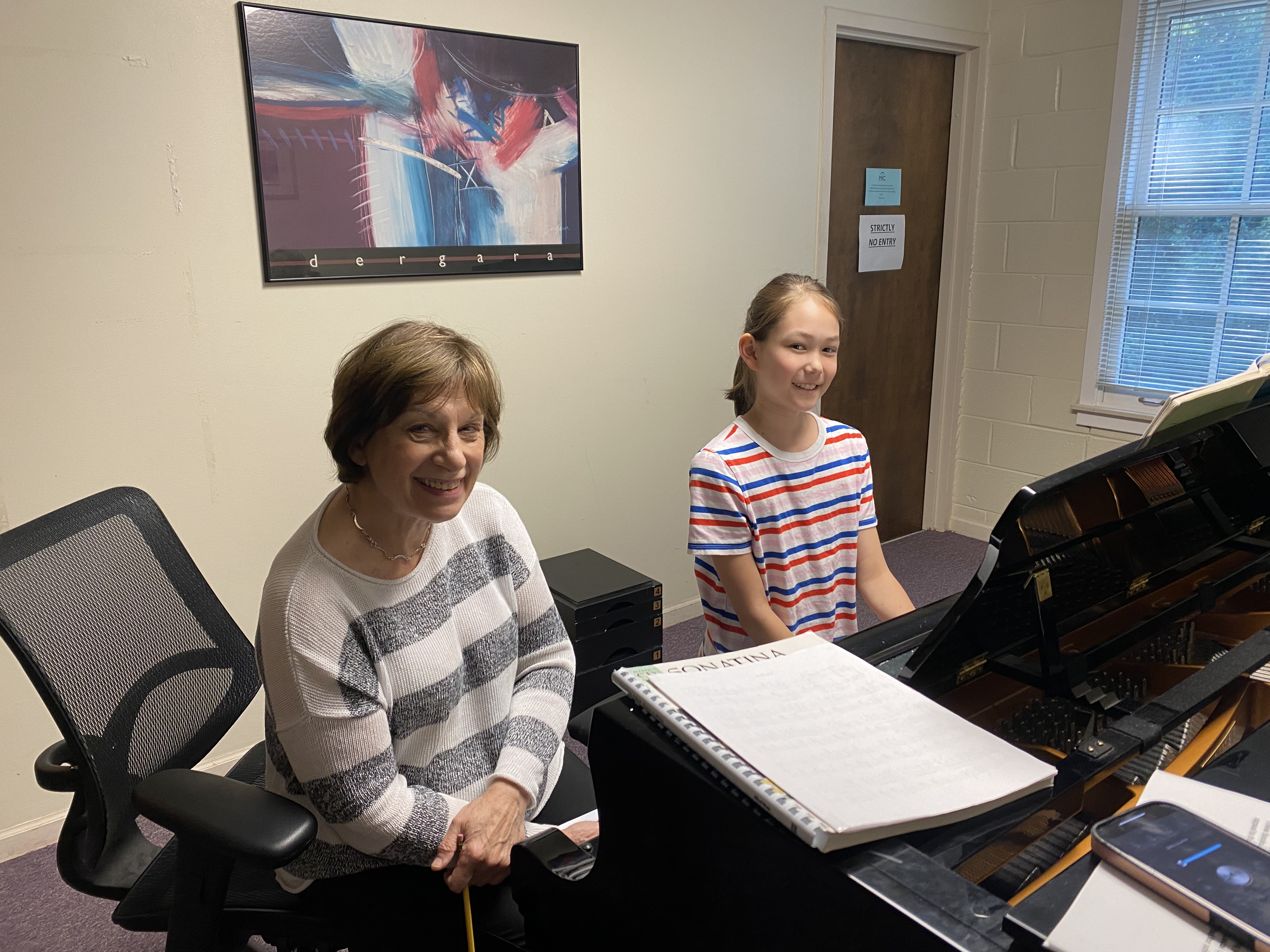
“For every new student I try to figuratively crawl a bit into their heads to get to know them,” says Elaine. “I want to see as much as I can, how they think, pay attention and respond when they are asked to do short and varied musical tasks I give them. Potential is measured in so many different ways and is constantly changing as skill levels change and improve.”
Nurturing that potential means balancing encouragement with challenge that keeps students motivated and growing. Elaine explains that she does so through pairing achievable short-term tasks with more demanding work that stretches students both mentally and physically.
"This business of studying a musical instrument, especially the piano, is very powerful in building mental focus," she says. She finds that her students feel encouraged when solving tasks in different creative ways. "I always try to present different and creative ways for my students to use their brains when practicing. It is definitely a consciously applied eyes to, brain to coordination of muscles process to achieve the most gratifying and satisfying results."
How Early Music Training Shapes Lifelong Skills
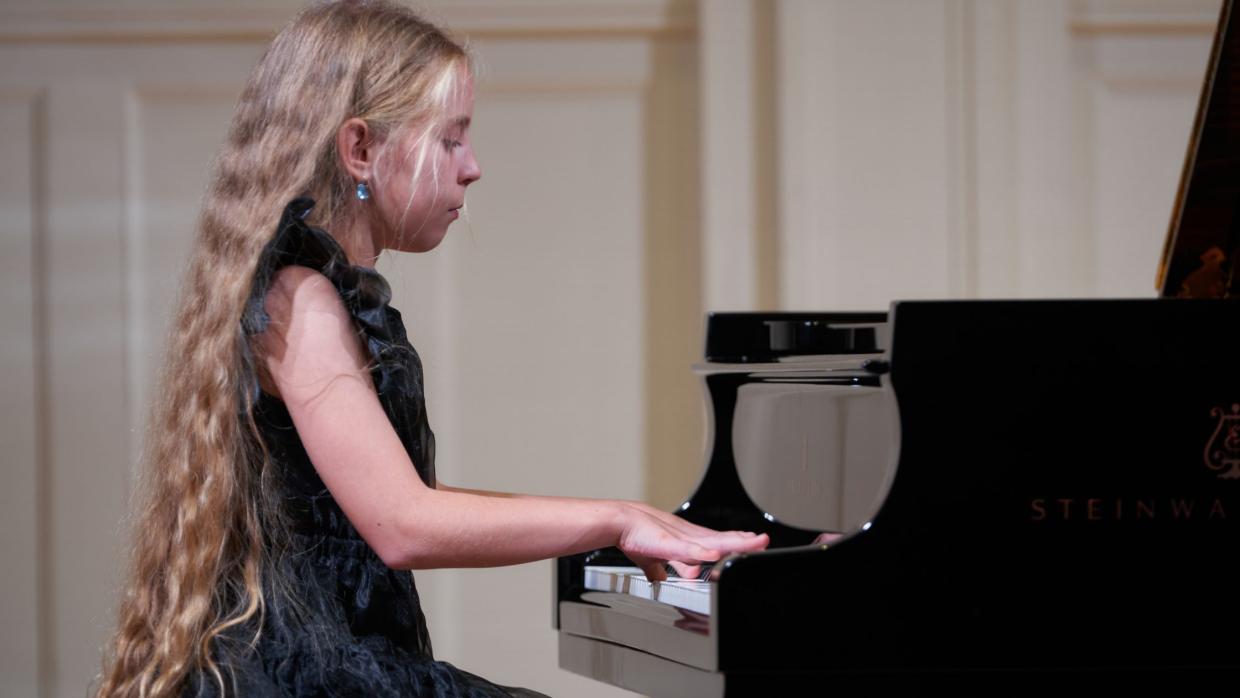
Piano study is beneficial at any age, but Elaine emphasizes the lasting impact of starting early. Beyond technical skills, early music training develops social interaction, mental focus, and problem-solving abilities.
“Early music training teaches students to develop the skills and the patience to break down a problem in any area of learning and work on a solution step by step,” she says.
Elaine has seen this play out in her own students, even those who didn't pursue music professionally. "One of my students who is now a lawyer in Denver still plays a lot and is part of a group of professionals who gather on Sunday afternoons to play for each other," she shares. "Another is a first-year medical student at Stanford who plays chamber music whenever she can." As it turns out, the discipline and joy of learning piano extend beyond the practice room and throughout students’ lives.
The Lifelong Value of Adult Piano Study
It's never too late to learn the piano, and adult students, whether beginners or those returning after a long break, bring their own unique strengths and challenges to the study of this instrument.
"Beginning adults often find the physical aspect of learning to play the most challenging," Elaine explains. "They have much stronger mental capability to learn but often find the challenge in matching the notes on the page with the keys on the keyboard. Patience and encouragement on both the part of the teacher and student to build confidence is most crucial." She encourages students to begin by learning to read music and practicing simple exercises that build coordination between those skills.
Returning adults may face a different frustration. "They know how to read music and understand rhythm, but the physical skills of moving around the keyboard are more challenging and rusty," she says, and she works with them on targeted rehabilitative exercises to rebuild that fluency.
Regardless of where they start, adult students find lasting value in piano study. Elaine, who works with adult musicians through private lessons, chamber groups, and the Adult Piano Camp she runs, has seen that impact firsthand. “It is a lifeblood for so many adult Chicago students,” she says. “The strong human as well as vital musical connections that Chicago adult piano students make carry them through their entire lives.”
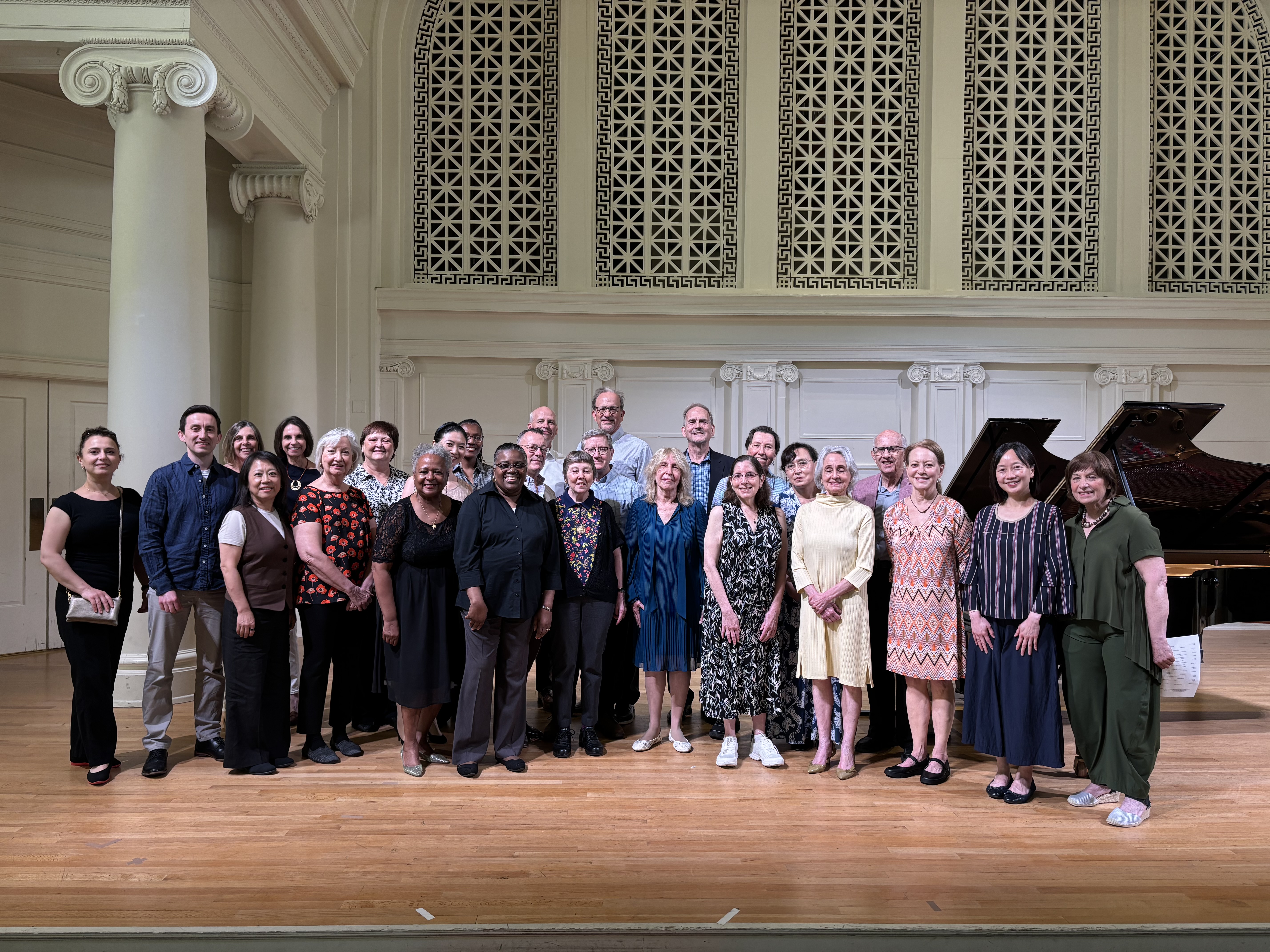
That sense of connection is a hallmark of adult piano study at MIC. Students form their own communities, gathering regularly outside of lessons for Sunday soirees, performing at Nichols Concert Hall three times a year, and increasingly joining the growing adult chamber music program. "The adults form their own communities, meeting new people and bringing new people in all the time," says Elaine. The Adult Piano Camp, capped at 24 participants, is filled every year, with the 2026 camp filling in only 4 days.
Why Chamber Music Matters for Pianists
Community is a powerful part of piano study, and one of its most rewarding extensions is chamber music.
"We pianists, students and professionals alike, spend much more time than other instrumentalists practicing alone," says Elaine. "People are social creatures who want and need interaction with others and what better way to do it than through collaboration with another pianist, string players, wind players, and any other instruments? There is so much music out there for pianists to play with others and at every level, and it is so much fun!"
Playing in an ensemble develops both leadership and the ability to truly work as a team. These skills translate directly into how musicians engage with the world around them.
"Working with other musicians improves so much the way we interact with others socially and musically," she says. "We learn to be leaders through advancing a particular musical idea, as well as team workers when someone else in the group introduces an idea. Everyone in the group must work together to make the ensemble play together, otherwise everything can fall apart!"
Participating in chamber music can be both mentally and physically challenging, but at the same time when it all comes together, the payoff is felt not just by the musicians but by everyone listening.
"The most wonderful of all is providing listeners with music that makes them feel fulfilled and more at peace, especially in the chaotic times we live in."
Piano Lessons at the Music Institute of Chicago
From the focused work of early training to the community that forms around adult study, and the collaborative joy of chamber music, learning piano gives back at every stage.
The Music Institute of Chicago’s piano department offers the faculty, programs, and community to support that journey, wherever you're starting from.