Faculty Insights: Why Comprehensive Music Education Helps Students Thrive
July 7th, 2026
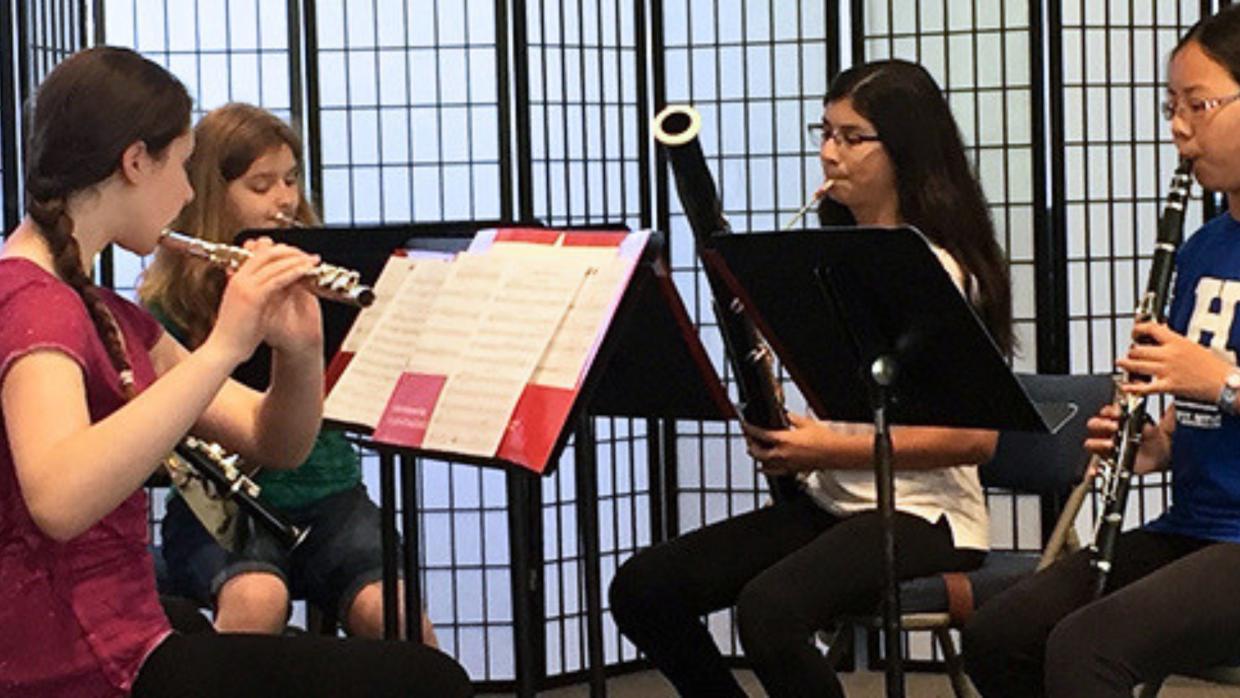
Growth doesn't happen in just one place. It happens through the many ways students engage with music. A well-rounded music education combines individual instruction with opportunities to perform, collaborate, study music theory, and make music with others.
These experiences reinforce one another, helping students build confidence, strengthen musical understanding, and develop skills that last well beyond the practice room.
We asked Music Institute of Chicago faculty why comprehensive music education matters and what they see in students who participate in multiple musical experiences.
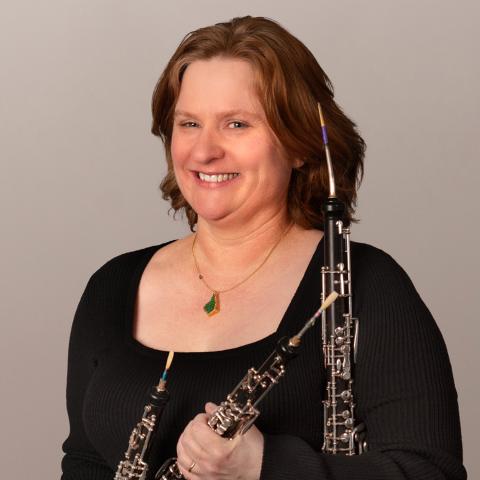
Erica Anderson | Woodwind, Brass, and Percussion Department Chair; Oboe Faculty
"When my oboe students are involved in other musical pursuits, I immediately notice their growing confidence in playing the oboe and their overall being. Music is such a complicated brain activity — it’s decoding a written language and measuring the passage of time, all while executing fine-motor tasks, producing accurate pitches, and contributing a creative voice to the output. Chamber music or theory helps to ground the child’s knowledge, which in turn helps their accessibility to making music while calm and focused."
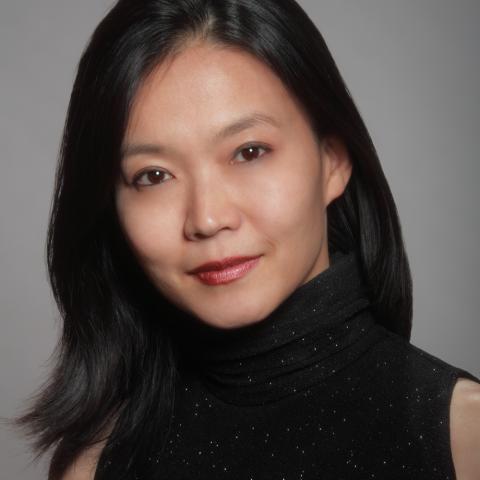
Marta Aznavoorian | Piano Faculty; Artist-in-Residence
"As a performer and educator, I believe private lessons are only one part of a musician’s journey. The magic happens when students experience the many ways music connects us—through collaboration, creativity, and performance.
Chamber music, ensembles, theory, and performance opportunities teach students how to listen, communicate, and become musical storytellers. Rather than feeling like “too much,” these experiences often inspire students because they begin to understand that music is a living conversation.
Students who immerse themselves in different musical experiences develop a deeper sense of confidence, curiosity, and artistry. They become stronger listeners and more expressive performers because they learn to be part of something larger than themselves.
The skills developed through collaboration—empathy, leadership, flexibility, and communication—extend far beyond the stage. The greatest music education doesn’t just create better musicians; it helps shape thoughtful and creative human beings."
Dr. Inah Chiu | Piano Faculty
"Supplementing private lessons with extra classes—like ensembles, chamber music, theory, and masterclasses—is beneficial for a student's musical growth, with performance opportunities being the most vital. In my studio, I hold two recitals a year, which I consider essential for tracking progress and building confidence.
While taking a separate theory class would be ideal, scheduling constraints often make that difficult for busy families. To bridge this gap, I integrate music theory into my weekly lessons, so it becomes a natural part of their learning.
Participating in chamber music offers a wonderful way to enrich their musical experience. I've always encouraged my students to participate in various chamber ensembles. This experience not only heightens their enthusiasm for music but also teaches them the vital skill of collaborating with their peers."
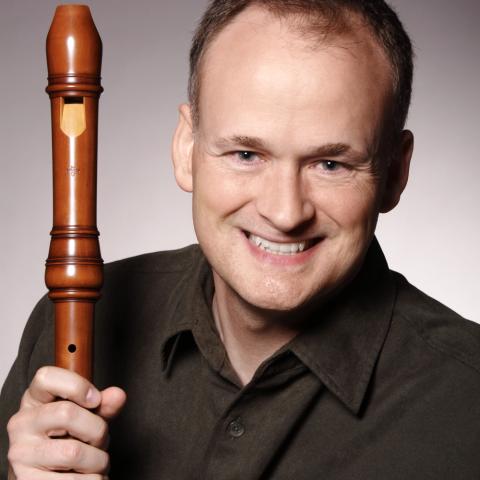
Patrick O'Malley | Campus Director, Evanston; Recorder Faculty (Suzuki)
"I think we would increase world peace if people made chamber music together. Analyzing a challenge, brainstorming possible solutions, making creative choices, and communicating are essential skills for human interaction. What a joyful way to improve the world!
Being “musically literate” means being able to decipher symbols, understand musical concepts, and communicate ideas with others. For example, a violist might say to her quartet, “That section was pretty good. I notice a Phrygian cadence and wish it sounded more mysterious. Can we try again, with a tiny delay on the downbeat of measure 48?” That’s a violist that every ensemble will want."
Whether it's performing on stage, collaborating in an ensemble, or gaining a deeper understanding of music through theory, each experience adds another layer to a student's growth. As our faculty share, a comprehensive music education doesn't just build stronger musicians, it helps students become more confident and engaged learners.